HISTORY OF SALSA
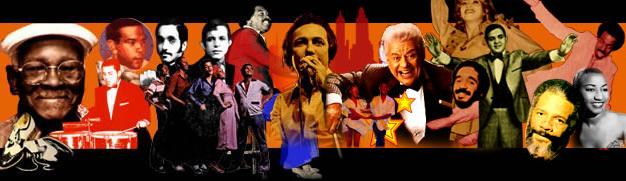 Introduction : In the '60s, a wave of Cuban rhythms fused with jazz. Izzy Sanabria, a graphic designer in studies of Fania, brings them together under a single name to avoid confusion and to sell the concept more easily. chose salsa, a term that the bands were encouraged to increase the power of acting. Salsa music has a certain structure: introduction, melodic phase, phase of rhythm or percussion montuno call, return to the melodic and final phase. The exclamations are used to announce phase changes, especially in the montuno , which is the more energetic rhythm section.
 France, Spain and the American colonies : an ancient history of salsa is danced contrandanse at Versailles, which became the English court, and thence to the Caribbean, during colonization, and the name of "contra ." The contradanse arrived in Haiti and contradanza to Havana.
Another factor in the origin of salsa rhythms are what African slaves Africans maintained their religious rites, conservation made possible by the assimilation of their gods, the orishas , Catholic saints.
is also important in the formation of salsa rhythms, immigration from Haiti in Cuba. Introduced a first wave contradanza Creole Creole version of the contradanse with African influence in the implementation and interpretation. The second wave of immigrants arrived in the mid-nineteenth century from the Republic of Haiti, thus contributing to the birth of Cuban are.
African rhythms, music from Cuba : vocal tradition and the rhythms of drums are a central part in social and religious practices of Africans. An important aspect is the shared musicality. One of the musicians play a specific and unique rhythm (the key ) and the rest play together as a polyrhythm. The polyrhythms are an essential component of salsa music. The most common keys are are of rumba and samba, all key African descendants. cry Chorus- is another legacy from religious ceremonies, where the songs were led by a social or religious leader.
The method of composition in Cuba in the second half of the nineteenth century varied according to geographical location. In the East , music was based on a rhythmic progression of simple chords that accompanied letters makeshift obeyed the key . All these are features that are present in the sauce. Western music was more European. Instruments reminded those found in French orchestras. This conservation of structure orchestral instruments and musicians specializing later facilitate the entry of Cuban jazz music.
When Cuba became an independent colony, what was a geographical difference, became a social stratification in the capital of European music for the white upper class and the music of East for underclass blacks. Cuba
Mestiza: The Caribbean cinquillo came to dance and Havana Cuban through Creole quadrille. The dances of these musical forms were no longer activities group to become a dance partner. The individualization of the dance set the stage for the introduction of African movement in the derivatives of the contradanse . The mixing occurred in the dancing was more acceptable to communities of color by the conservative ruling elite.
American influence during the Batista dictatorship brought performances by American artists, paving the way for the influence Jazz in the sauce. The mambo became recognized as a genre in itself in the '40s. The chachachá , another descendant of the new rhythm section, unlike the mambo was still played by brass bands (flute and violin) and maintained an average time. The big change was the introduction of the conga . Both styles quickly spread to the rest of the world.
Revolutionary Cuba after : Fidel Castro came to power in 1959. The U.S. embargo against Cuba could not prevent it from escaping new rhythms, the most notable being Songo and Mozambique . But reduced the Cuban presence on the world stage. These circumstances have three new centers in the sauce: New York, Miami and Colombia.
In New York, immigrants from Puerto Rico leaving Puerto Rican folk music such as pump or full-except perhaps Willie Colon - in favor of the Afro-Cuban music. Miami was the destination chosen by many Cuban exiles. The sauce is relatively politicized in Miami. Carnival and the promotion of salsa in Miami from largely right-wing political activism. There, the sauce is a symbol of desire: a Cuba without Castro. In Colombia, the great weight of the country as a sauce you can see the vast contribution of talent and rhythmic innovations. Cuba prepared what has become another major contribution to the history of Salsa, Timba the .
Source: www.salsa-in-cuba.com


0 comments:
Post a Comment